Breaking
Latest tech news from South Africa and around the world•Stay updated with breaking technology developments•Innovation and digital transformation news•AI, gaming, and gadget updates daily•Crypto and fintech news from Africa•
 Tech Editorial Team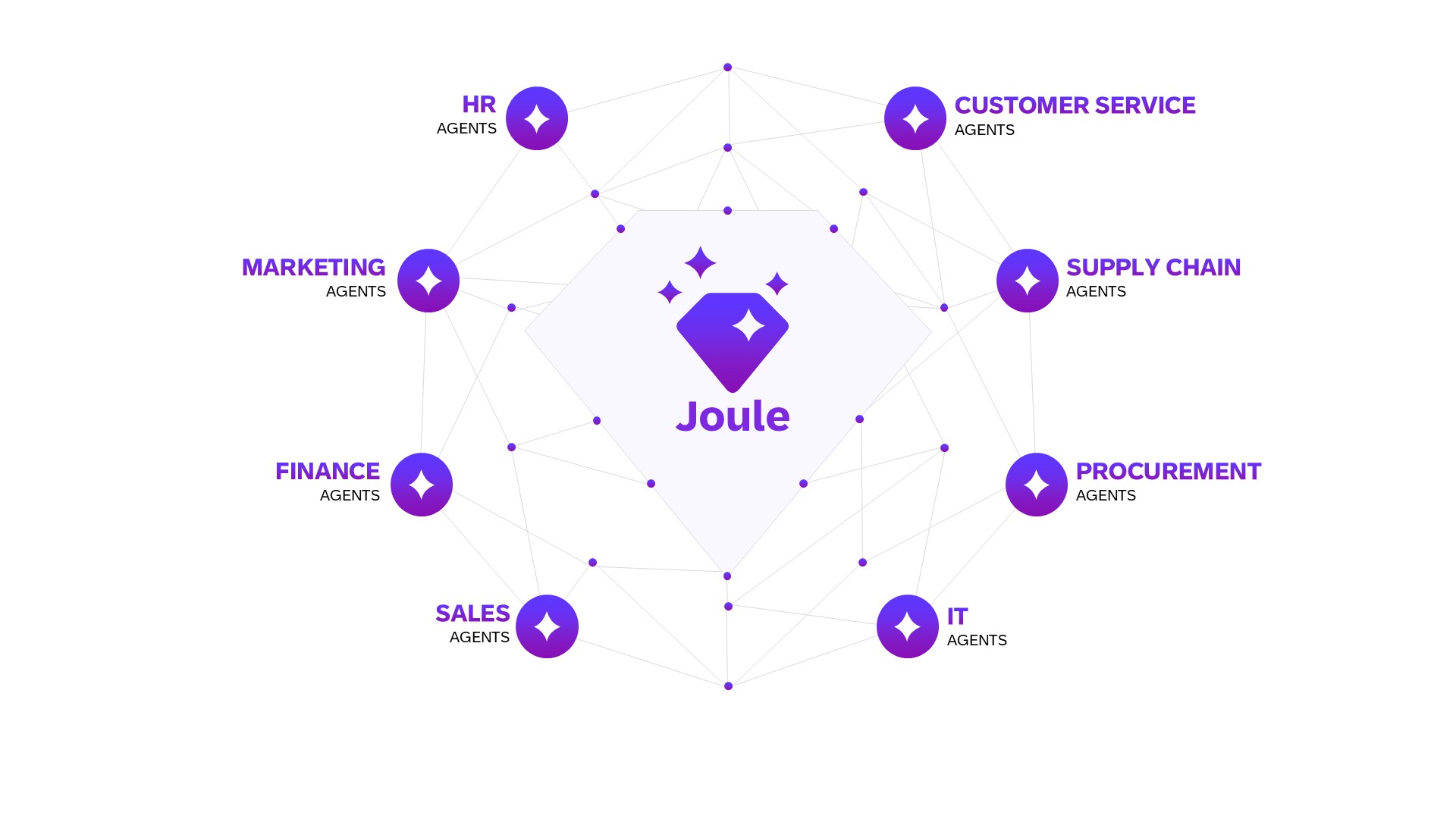
SAP is positioning Joule for Consultants as an AI assistant trained on its internal guidance to help implementation teams move faster on complex projects. The company says it reduces research time and improves decisions, but offers limited independent data to support those claims.
SAP has spent the past year talking up Joule as a way to make its business software less fragmented for everyday users. The pitch to consultants is different. Implementation teams are not logging purchase orders or running payroll. They are expected to understand an expanding rulebook of architectures, upgrades and migration paths, often while timelines keep shrinking.
The company now wants Joule to sit alongside those consultants as a permanent reference point. SAP Joule for Consultants is being positioned as an AI system trained on SAP’s own internal guidance, project playbooks and enablement material. The promise is quick answers that reflect SAP’s latest thinking rather than generic responses scraped from public documentation.
Victor Alvarez, who leads product marketing for Joule at SAP, frames the problem narrowly. Consultants are not end users of SAP systems, he says. Their job is to design and deliver them, including large scale moves from on premises ERP estates into SAP’s cloud portfolio, now bundled under SAP Business Suite. That work depends on decisions that can lock in cost and risk early.
According to Alvarez, Joule for Consultants is meant to intervene at those moments. It is presented as a knowledge grounded assistant that can point to current best practices, highlight constraints, and reduce the amount of manual searching that dominates many SAP projects. The claim is not that it replaces expertise, but that it compresses the time spent getting to defensible answers.
SAP argues that speed matters because customers want value quickly. Shorter projects mean earlier returns, at least in theory. Alvarez says consultants using Joule can move faster without cutting quality, a balance that has historically been hard to achieve on complex SAP programmes. The company does not publish independent benchmarks to support those claims, and declined to provide figures on average time savings.
The wider consulting market has already decided that AI will be embedded in delivery models. The open question is which systems consultants trust enough to rely on during live projects. SAP’s answer is control of the source material. Joule for Consultants is trained on what the company describes as its most authoritative and up to date knowledge base, including non public enablement content that partners normally access through multiple internal channels.
That exclusivity is central to the sales pitch. SAP says third party AI tools can generate plausible sounding guidance but lack grounding in official SAP positions. Joule is meant to remove that ambiguity. Still, the system ultimately reflects SAP’s own priorities and interpretations, a point some partners privately say requires careful handling on client engagements.
For junior consultants, the attraction is obvious. Much of their time is spent hunting for answers before any real work begins. SAP claims Joule reduces that friction by surfacing context specific guidance in seconds. Alvarez points to cloud transformation projects where architectural choices made early can ripple through cost and scope later. Faster access to approved patterns, he says, reduces rework.
SAP is also pushing the tool toward customer IT teams. Many organisations cannot afford external consultants for every change. Joule for Consultants is being positioned as a way for internal teams to take on more complex work, while reserving system integrators for larger or more strategic programmes. SAP says this should improve collaboration, although it may also shift expectations about what customers can reasonably deliver themselves.
The product has been generally available for close to a year. SAP says uptake has been strong across large firms such as KPMG and smaller consultancies, but again offers no independent usage data. The next phase, partner knowledge integration, will allow firms to add their own proprietary methods into their private Joule instances.
That raises unanswered questions about governance, liability and whose guidance takes precedence when advice conflicts. SAP says integration is coming soon. How widely it is adopted, and how tightly it is controlled, may determine whether Joule becomes a background utility or a more contested part of consulting delivery.
Source: SA Tech News