Breaking
Latest tech news from South Africa and around the world•Stay updated with breaking technology developments•Innovation and digital transformation news•AI, gaming, and gadget updates daily•Crypto and fintech news from Africa•
 Tech Editorial Team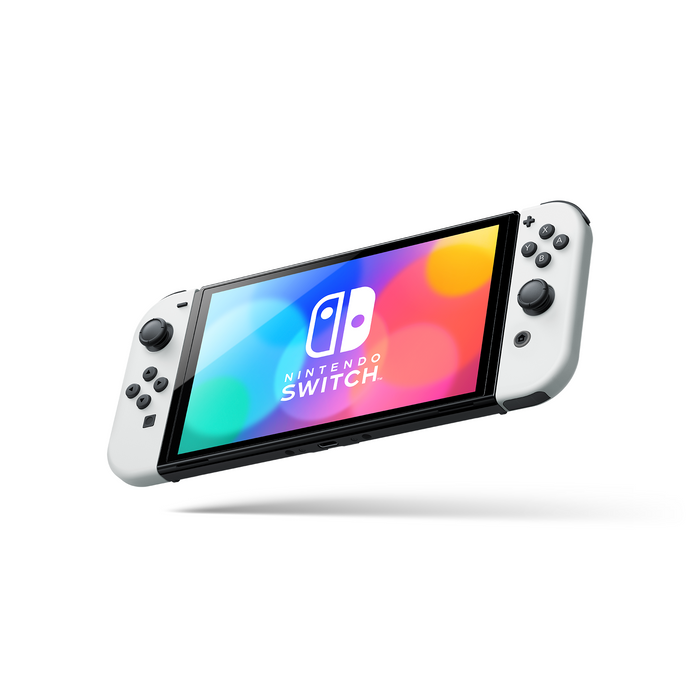
Nintendo has sold more Switch consoles than any other system in its history, but rising costs and investor unease are already shaping the next phase.
Nintendo says the Switch has now sold more than 155 million units worldwide, pushing it past the Nintendo DS to become the company’s best selling console to date. The figure covers sales since the device launched in 2017 and includes a period of unusually strong demand during global lockdowns. The claim came from Nintendo’s latest financial results, released this week by Nintendo. The timing mattered. Investors marked the stock down sharply on the same day, with shares falling about 11 percent as concerns surfaced around software momentum and rising component costs. The Switch’s position in the wider industry is now narrow but still second place. Only Sony’s PlayStation 2 has sold more units overall, with lifetime sales generally put above 160 million. Nintendo did not say whether it expects the Switch to close that gap, or how long it intends to keep the hardware on sale alongside its successor. Early sales of the next device have been positioned as reassuring. Nintendo said the Switch 2, which launched in June 2025, had sold 17 million units by the end of the year. The company described the start as good, without offering regional detail or clarifying how much demand was pulled forward by existing Switch owners. Some of the original Switch’s success was not expected. Games industry analyst Christopher Dring said expectations at launch were low, particularly after the commercial failure of the Wii U. What followed was a run of unusually strong releases across Nintendo’s core franchises. Mario, Zelda, Pokémon and Mario Kart all posted their best sales during the Switch cycle. Secondary series like Luigi’s Mansion and Mario Party also reached figures that had previously looked unlikely. Timing helped. The Switch benefited from being both a home console and a handheld just as people were confined indoors. Freelance games journalist Rachel Watts said the hardware became common during lockdowns, particularly among younger players and families. That demand spike is visible in Nintendo’s historical sales curve, but how much of it was structural rather than temporary remains unclear. The problem for Nintendo now is cost. At a post results briefing, Bloomberg reported that Nintendo president Shuntaro Furukawa flagged higher memory prices as a potential drag on future profits. RAM, once a relatively cheap component, has become more expensive, with knock on effects expected across consumer electronics from 2026. Chris Scullion, deputy editor of Video Games Chronicle, said those pressures could limit how far the Switch 2 can go. He pointed to memory costs, US tariffs and uneven economic conditions across Nintendo’s key markets. Success for the new console looks likely, he said, but matching the first Switch may be harder. Selling a lot may not be the same as setting another internal record. What Nintendo has not yet resolved is how long it can rely on the old hardware’s installed base to support software sales, or how sensitive Switch 2 demand will be to price increases. The sales number that now defines the Switch does not answer either question
Source: SA Tech News